

FLIES
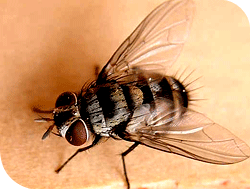
Flies belong to the insect order Diptera (meaning “two wings”) and undergo complete metamorphosis (egg, larva, pupa, adult). They play a vital role as decomposers of dead organisms, manure, and decaying vegetation but can also carry disease-causing organisms from breeding sites, potentially causing food poisoning, diarrhea, dysentery, or typhoid fever.
Overview
1. BLOW FLY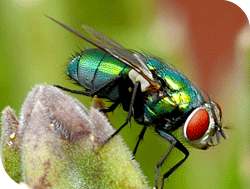
Metallic blue, green, or black flies that lay eggs on dead animals or decaying meat. Large infestations occur when animals die in or around the home.
2. HOUSE FLY
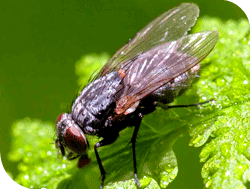
Common around homes, gray with four dark thoracic stripes. They feed on decaying food and animal waste, transmitting diseases like diarrhea and dysentery.
3. STABLE FLY
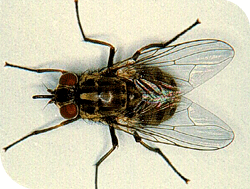
Also called biting house flies, these flies are similar to house flies but have a pointed proboscis to suck blood, often biting ankles in the morning or late afternoon.
4. FLESH FLY
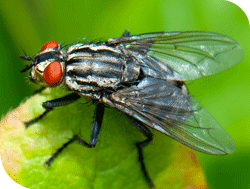
Larger than house flies with a checkerboard pattern on their abdomen. They are attracted to decaying matter and are important in forensic entomology, though they can transmit diseases like leprosy.
5. VINEGAR FLY/FRUIT FLY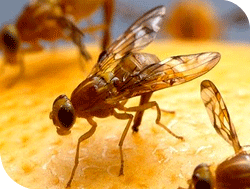
Small, found around overripe fruit and vegetables. They are common in restaurants, grocery stores, and homes.
hEALTH RISKS AND PROBLEMS CAUSED BY FLIES
Flies, especially house flies, are known to transmit over 65 diseases, including:
- Cholera
- Conjunctivitis
- Dysentery
- Gastroenteritis
- Salmonellosis
- Tuberculosis
- Typhoid fever
Flies spread diseases through their feeding and breeding habits. They often feed on rotting matter and feces, regurgitating their stomach contents on food, thereby transmitting harmful bacteria.
FLY MANAGEMENT
KPM provides effective fly control solutions for both homes and businesses. Contact us for an estimate and to ensure a fly-free environment.