BIRDS

BIRDS

Overview

Bird species like crows, house sparrows, and pigeons can cause nuisance and damage in urban areas, particularly around homes, businesses, and public buildings. Their droppings can lead to algae growth, water contamination, and health risks, especially in municipal water supplies.

PIGEONS
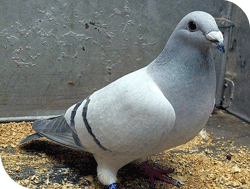
  • Appearance: Gray body with whitish rump, black wing bars, and red feet.
  • Diet: Primarily seeds and grains, but will also feed on garbage, livestock manure, and insects.
  • Impact: Pigeon droppings damage buildings, accelerate deterioration, and increase maintenance costs. They can spread diseases like encephalitis, toxoplasmosis, and salmonella.


HOUSE SPARROWS

  • Size: 6-7 inches (15–17 cm) long with a 9-inch (23 cm) wingspan.
  • Appearance: Males have gray bodies with brown backs, black streaks, and a black bib. Females are gray-brown with streaked backs.
  • Diet: Seeds, grains, birdseed, human food scraps, and insects during breeding.
  • Impact: Sparrows build messy nests that damage insulation, clog gutters, and pose fire hazards. Their droppings are unsightly and difficult to clean. They can also carry zoonotic diseases that spread to humans.


bird management

  • Bird Spikes: Used to protect surfaces like ledges, beams, and signs from roosting birds like pigeons and gulls.
  • Bird Nets: Effective bird exclusion systems for areas like courtyards, rooftops, and parking garages.


common bird-related problems

Birds can carry over 60 diseases, with droppings being a major health concern in residential areas. Common pigeon diseases include:

  1. Canker
  2. Lice
  3. Flies
  4. Coccidia
  5. Worms
  6. Hexamita
  7. Mites
  8. Chlamydia