
BEES & WASPS

BEES & WASPS

Overview

Bees and wasps are beneficial insects known for their roles in pest control and pollination, but they can become pests due to their stings. It’s important to distinguish between them for proper control methods:

  • Wasps: Smooth, shiny bodies; predators; build papery nests.
  • Bees: Fuzzy, robust bodies; pollinators; build wax combs.
 
types of bees and wasps
 

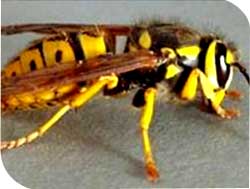
1. Yellowjackets (Wasps)

  • Appearance: Yellow/black banded, often mistaken for honey bees, but smoother and more intensely colored.
  • Nesting: Typically underground or in dark areas of buildings.
  • Diet: Predators of insects; more aggressive scavengers in late summer.
  • Stinging: Can sting repeatedly.


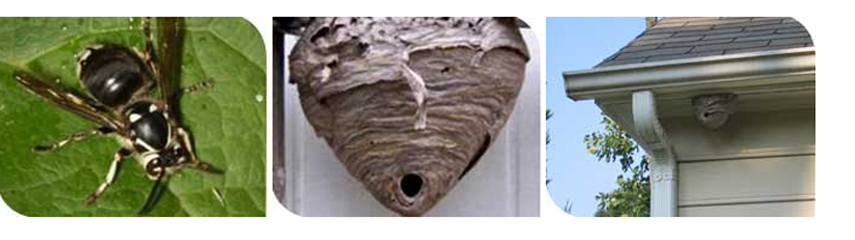
2. HORNETS

  • Appearance: Larger yellowjacket species, black and white with a white face.
  • Nesting: Found in trees, attics, and wall voids.
  • Diet: Feed on live insects, not scavengers.
  • Stinging: Rarely sting unless disturbed; nest is large and papery.


3. PAPER WASPS 

  • Appearance: Slender, 0.7 to 1.0 inches long with brown, red, and yellow coloring.
  • Nesting: Build single-comb nests under eaves or porches.
  • Diet: Predators of caterpillars and other insects.
  • Stinging: Do not scavenge.


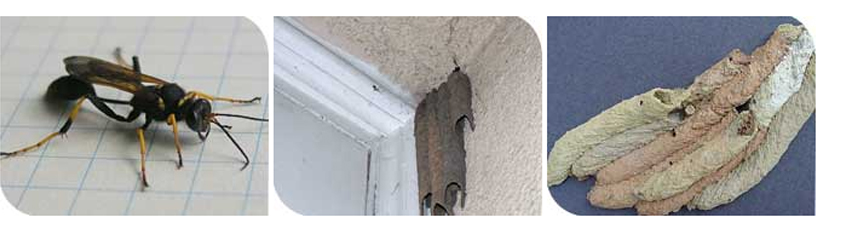
4. MUD DAUBERS

  • Appearance: Slender, 0.5 to 1.25 inches long, with threadlike waists.
  • Nesting: Build tubular mud nests on building exteriors.
  • Diet: Typically do not scavenge.
  • Stinging: Rarely sting unless provoked.


5. CICADA KILLERS

  • Appearance: Large (1.5 to 2 inches), brownish-black with yellow markings.
  • Nesting: Dig burrows in the soil, capturing and paralyzing cicadas.
  • Diet: Feed on paralyzed cicadas placed in burrows.
  • Stinging: Do not cause significant damage, just unsightly dirt piles.


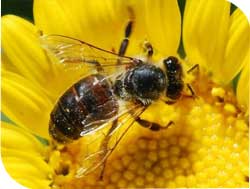
6. BEES – HONEY BEES

  • Appearance: Small (0.5 inches), fuzzy with brown and black stripes.
  • Nesting: Large colonies in cavities (trees, buildings).
  • Diet: Pollinate plants and produce honey and wax.
  • Stinging: Less likely to sting around a swarm, as they are vulnerable.


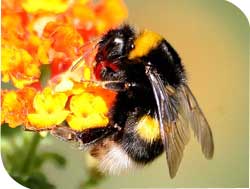
7. BUMBLE BEES

  • Appearance: Robust, black and yellow, 0.5 to 1 inch long.
  • Nesting: Often in old rodent burrows or wall voids.
  • Diet: Pollinate flowers.
  • Stinging: Not aggressive, but will sting if disturbed.


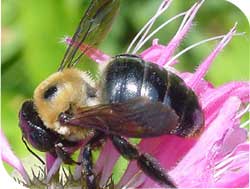
8. CARPENTER BEES

  • Appearance: Similar to bumble bees, but with a shiny, bare abdomen.
  • Nesting: Bore into wood to create nests.
  • Diet: Pollinate plants.
  • Stinging: Less aggressive than other bees, but can sting if provoked.